1. Introduction: The AI Wave Transforming Small Enterprises

Artificial Intelligence (AI) is no longer a technology limited to big corporations and tech giants. Today, AI for small business is a growing trend that empowers entrepreneurs and tradespeople to improve productivity, reduce operational costs, and compete more effectively. From automated marketing to AI-driven customer service tools, small businesses are adopting AI at record speeds. The accessibility of affordable AI software and cloud-based platforms makes it easier than ever for small business owners to harness the power of machine learning, predictive analytics, and natural language processing.
High-volume search trends like “AI tools for business growth” and “how AI helps small businesses” reflect the shift in mindset. The transformation is not about replacing human effort—it’s about augmenting it. AI can streamline decision-making, eliminate repetitive tasks, and even personalize customer experiences, all of which are crucial for small enterprises aiming for scalability.
2. AI-Powered Marketing: Smarter Outreach, Higher ROI

Digital marketing is one of the biggest beneficiaries of AI. Small businesses often lack the time and manpower for targeted marketing campaigns, but AI changes that game. Tools like ChatGPT, Jasper, and Copy.ai can generate compelling ad copy, email sequences, and SEO-rich blog content. AI for marketing helps analyze customer behavior, optimize advertising budgets, and enhance lead generation.
With the help of AI marketing automation tools, businesses can now deliver personalized content to users based on their interests and previous interactions. This increases conversion rates and improves customer retention. Common searches like “AI email marketing tools” and “best AI tools for small business” highlight the increasing demand.
By leveraging AI, businesses can now compete in digital spaces once dominated by larger companies with extensive marketing teams. It’s no surprise that AI-driven advertising strategies are becoming a cornerstone of modern small business marketing plans.
3. Customer Service Chatbots: 24/7 Support at Lower Costs

Customer service is critical for small businesses, but staffing support teams around the clock is often unrealistic. Enter AI chatbots—these virtual assistants can answer common queries, guide users through purchasing processes, and even handle complaints. For many, deploying AI customer support software has drastically improved service quality while reducing overhead.
Searches like “AI chatbots for websites” and “AI customer service for small business” are trending because the benefits are undeniable. Tools like Tidio, Drift, and Intercom offer affordable plans that are easy to integrate with websites and apps. These bots are often powered by machine learning models that get smarter over time, delivering more accurate responses with each interaction.
By ensuring customers feel heard and assisted—even outside business hours—AI helps small enterprises build trust, boost loyalty, and enhance user experience.
4. AI in Inventory Management and Supply Chain

Inventory management can be a logistical nightmare for small trades and businesses. AI streamlines this by predicting stock requirements, monitoring supply chain delays, and automating reorder points. Keywords like “AI for inventory management” and “AI logistics tools” reflect growing awareness.
Machine learning algorithms process sales data, seasonal trends, and supplier behavior to forecast demand more accurately than traditional methods. Platforms like Zoho Inventory and TradeGecko now incorporate AI features that alert owners to low stock, track shipments, and reduce excess inventory.
For tradespeople and small retailers, this means fewer stockouts, minimized storage costs, and optimized cash flow. AI helps small businesses become proactive rather than reactive, transforming inventory control from a manual headache to a seamless, data-driven process.
5. Financial Management and AI-Powered Bookkeeping

Managing finances is one of the most time-consuming tasks for any business. But AI bookkeeping tools like QuickBooks, Xero, and FreshBooks now offer features that can automatically categorize expenses, generate invoices, and provide insights on spending trends. These smart systems reduce the need for manual data entry and help prevent human error.
Search terms like “AI accounting tools” and “AI for small business finance” indicate that business owners are increasingly turning to automation to handle their finances. AI also assists with forecasting cash flow, managing payroll, and even flagging irregular transactions.
By making finance easier to manage and less prone to error, AI frees up entrepreneurs to focus more on growth and innovation rather than administrative tasks.
6. AI and HR: Smarter Hiring and Talent Management

Finding the right talent is tough, especially for small businesses that can’t afford extensive HR departments. AI in recruitment is making this easier through tools that screen resumes, rank applicants, and even conduct initial interviews via chatbots or video analysis.
Platforms like Zoho Recruit, BreezyHR, and HireVue use natural language processing and machine learning to match candidates with job requirements and assess cultural fit. High-volume queries such as “AI hiring tools for small business” show that even small firms are embracing this trend.
These tools don’t just speed up hiring—they also reduce bias and improve decision-making. For trades and small companies where every hire counts, AI can make recruitment faster, fairer, and more efficient.
7. Predictive Analytics for Smarter Decision-Making

Imagine being able to foresee business trends, customer behavior, or market fluctuations before they happen. That’s exactly what predictive analytics in small business is offering. AI tools analyze historical data to forecast outcomes, helping owners make informed decisions about inventory, pricing, marketing, and more.
Searches like “AI business intelligence tools” and “AI for data analytics” are soaring because decision-making backed by data simply works better. Tools like Tableau, Power BI, and MonkeyLearn provide user-friendly interfaces that present complex data in simple dashboards.
Even without a data science background, small business owners can now access deep insights previously only available to large enterprises with analytics teams. It’s like having a crystal ball—except it’s powered by data and machine learning.
8. Enhancing Product and Service Quality with AI

Whether it’s through AI-assisted quality checks or customer feedback analysis, small businesses can now deliver better products and services. For example, AI for product optimization uses customer reviews, social media sentiment, and purchase data to suggest improvements or flag recurring issues.
Search trends like “AI quality control software” and “how AI improves customer experience” show businesses are actively looking for ways to enhance offerings. Visual inspection tools using computer vision can spot product defects, while feedback analysis tools interpret reviews for actionable insights.
For small manufacturers, artisans, or service-based trades, this means fewer returns, better reviews, and more referrals—key to growth in competitive markets.
9. AI-Powered Personal Assistants and Workflow Automation

Many small businesses are turning to AI personal assistants like Google Assistant, Siri, and ChatGPT for everyday task management. These tools can schedule appointments, send reminders, generate reports, and even draft emails. Workflow automation platforms like Zapier and Make integrate AI features to connect apps and automate repetitive tasks.
Searches for “AI virtual assistant for small business” and “best AI tools for productivity” are becoming more common as time management becomes a top priority. Automating routine activities not only saves hours per week but also reduces burnout for entrepreneurs juggling multiple responsibilities.
By delegating menial tasks to AI, small business owners can focus on high-value activities like strategic planning and customer engagement.
10. The Future of Small Businesses with AI: Opportunities and Caution
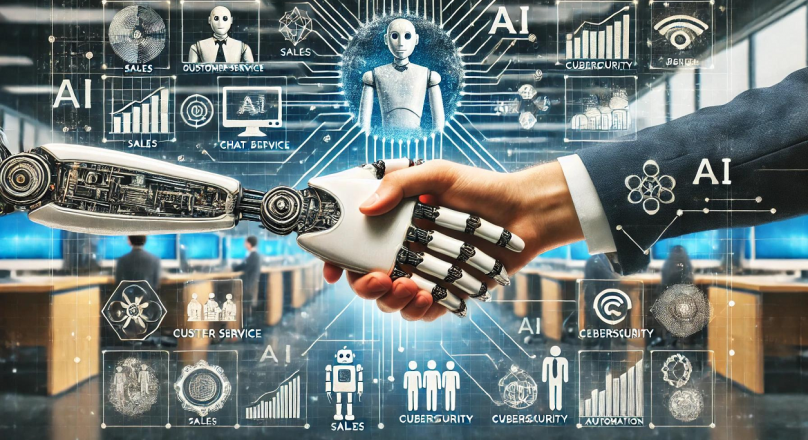
The rise of AI in small business operations brings tremendous opportunities—from better customer relationships to smarter operations and faster growth. But it also comes with challenges. Data privacy, ethical use of AI, and reliance on third-party platforms must be navigated with caution.
Search interest in “AI business ethics” and “AI tools compliance” shows that businesses are becoming more aware of these concerns. It’s important to stay updated with regulations, ensure transparency in AI usage, and continuously evaluate tools for fairness and security.
Still, the future looks bright. As AI continues to evolve, small businesses that adopt it wisely will gain a significant competitive edge. It’s not about replacing people—it’s about empowering them with smarter tools and more insights than ever before.