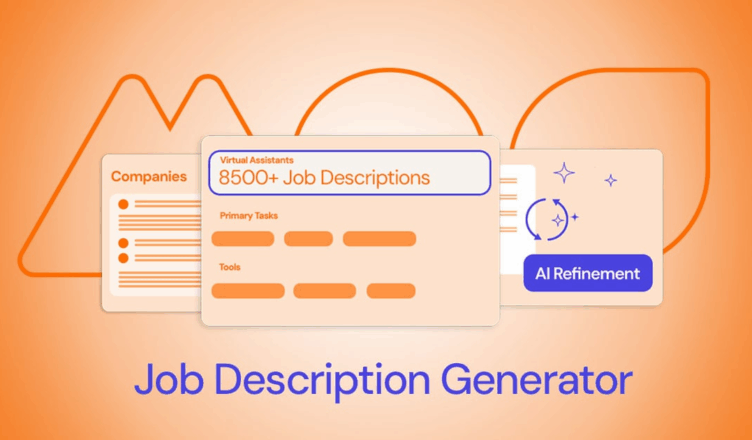
Top 5 AI Tools for Writing Job Description: Transform Your Hiring Process in 2025
In today’s competitive job market, crafting compelling job descriptions has become more crucial than ever. With the rise of artificial intelligence, recruiting professionals and HR managers are turning to innovative solutions that streamline the hiring process while ensuring quality and compliance. This comprehensive guide explores the most effective AI-powered platforms that are revolutionizing how companies create, optimize, and distribute job postings.
Why AI-Powered Job Description Creation Matters
The traditional approach to writing job descriptions often results in generic, uninspiring content that fails to attract top talent. Modern AI solutions address these challenges by analyzing successful job postings, incorporating industry-specific terminology, and ensuring compliance with employment regulations. Using AI tools for writing job description content ensures consistency across departments and helps eliminate unconscious bias in language These intelligent systems help recruiters save time while creating more engaging and effective job descriptions that resonate with qualified candidates.
Research indicates that well-crafted job descriptions can increase application rates by up to 42% and improve candidate quality significantly. AI-powered tools leverage machine learning algorithms to optimize content for both human readers and applicant tracking systems, ensuring maximum visibility and engagement.
Comprehensive Analysis of Leading AI Platforms
1. ChatGPT – The Versatile Content Creator
ChatGPT has emerged as a powerful solution for generating comprehensive job descriptions across various industries. This conversational AI platform excels at creating customized content that reflects company culture while incorporating essential requirements and qualifications.
Key Features:
- Natural language processing capabilities
- Industry-specific customization options
- Multi-format output generation
- Real-time editing and refinement
- Integration with existing workflows
Strengths: ChatGPT’s ability to understand context and generate human-like content makes it particularly effective for creating engaging job descriptions. The platform can adapt tone and style based on company requirements, whether you need formal corporate language or casual startup communication.
Limitations: Users should be aware that ChatGPT requires careful prompt engineering to produce optimal results. The platform may occasionally generate content that needs fact-checking or compliance review before publication.
2. Jasper AI – The Marketing-Focused Solution
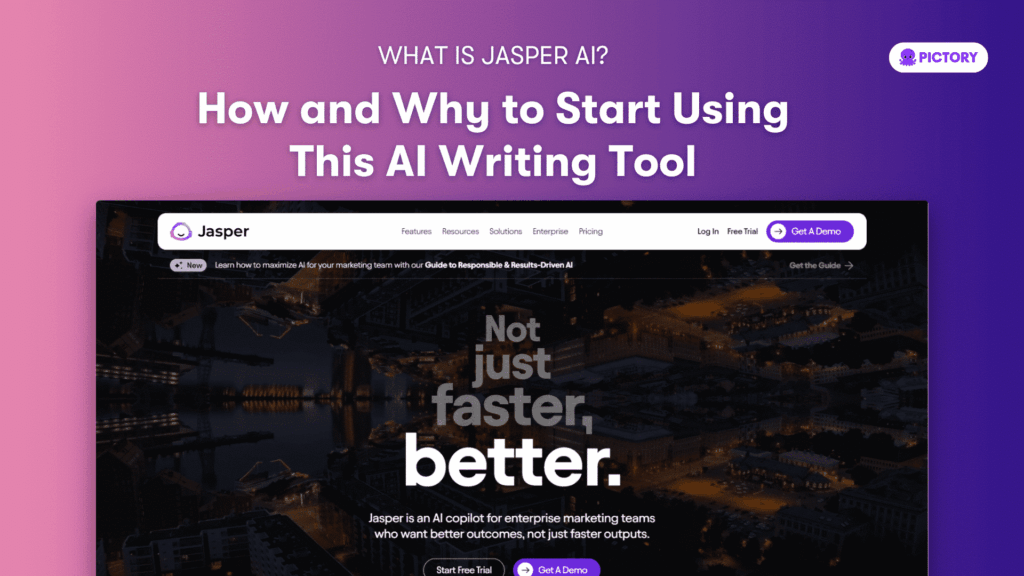
Jasper AI brings marketing expertise to job description creation, helping companies craft compelling narratives that attract top talent. This platform specializes in persuasive copywriting techniques that make job opportunities more appealing to potential candidates.
Key Features:
- Templates optimized for different industries
- Brand voice consistency tools
- SEO optimization capabilities
- Collaborative editing features
- Performance analytics integration
Strengths: Jasper’s marketing-focused approach ensures that job descriptions not only inform but also persuade. The platform’s template library covers numerous industries and roles, making it easy to create professional content quickly.
Limitations: The marketing-heavy approach may not suit all company cultures, and some users find the interface overwhelming initially.
3. Textio – The Data-Driven Optimizer
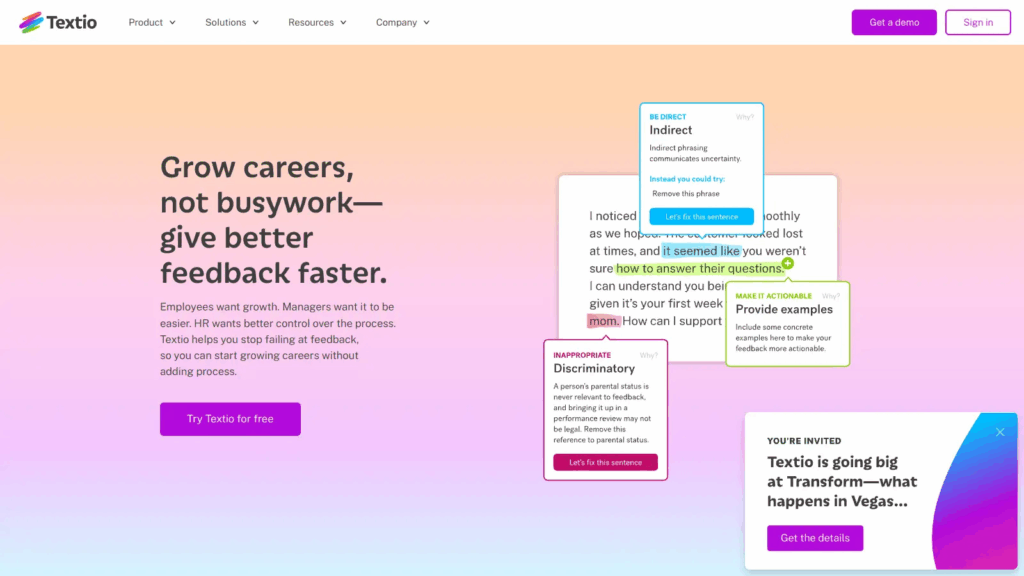
Textio stands out by using predictive analytics to optimize job descriptions for better performance. This platform analyzes millions of job postings to identify language patterns that correlate with successful hiring outcomes.
Key Features:
- Predictive performance scoring
- Bias detection and correction
- Real-time optimization suggestions
- Demographic impact analysis
- Integration with major job boards
Strengths: Textio’s data-driven approach provides concrete insights into how language choices affect application rates and candidate diversity. The platform’s bias detection features help create more inclusive job descriptions.
Limitations: The subscription cost may be prohibitive for smaller organizations, and the platform’s effectiveness depends on having sufficient data for analysis.
4. Copy.ai – The Creative Content Generator
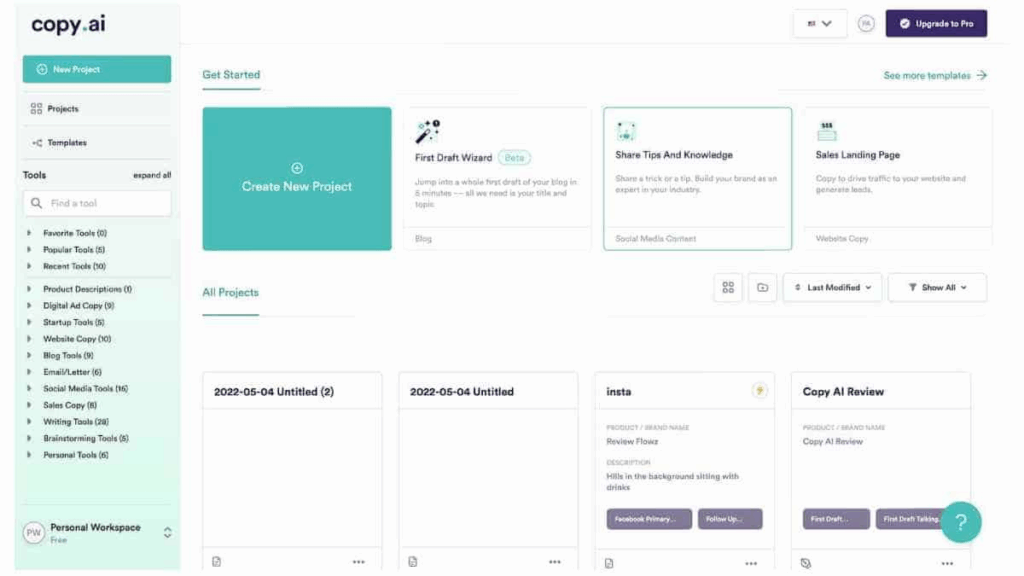
Copy.ai excels at generating creative and engaging job descriptions that stand out in crowded job markets. This platform offers numerous templates and customization options for different industries and roles.
Key Features:
- Multiple template options
- Creative writing assistance
- Brand tone customization
- Bulk content generation
- Multi-language support
Strengths: Copy.ai’s creative approach helps companies differentiate their job postings from competitors. The platform’s user-friendly interface makes it accessible to users with varying technical expertise.
Limitations: The creative focus may not align with companies requiring strictly formal or technical job descriptions.
5. Writesonic – The Comprehensive Writing Assistant
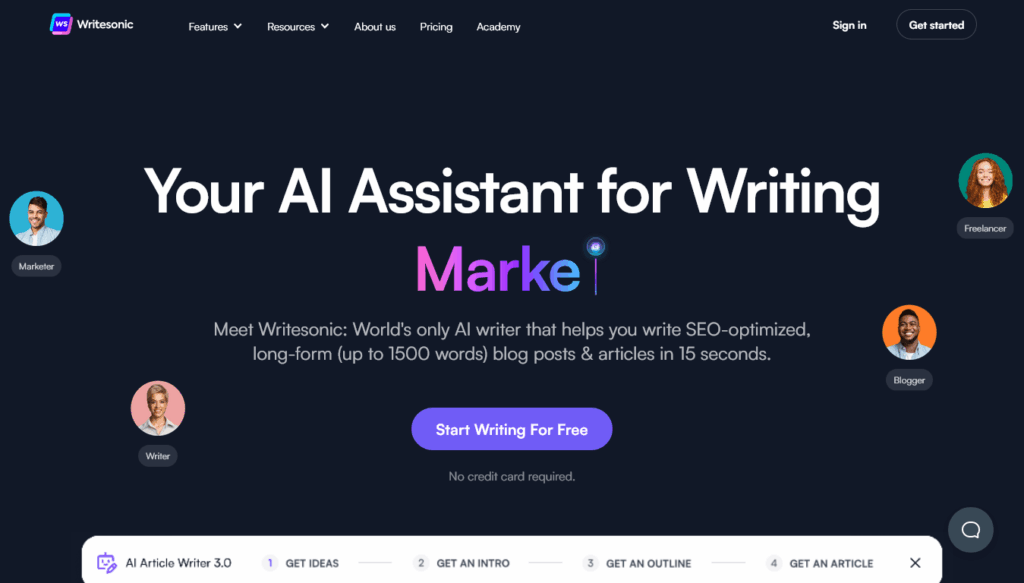
Writesonic provides a complete writing solution that includes specialized tools for job description creation. This platform combines AI-powered content generation with editing and optimization features.
Key Features:
- Specialized job description templates
- Multi-step creation workflow
- Content optimization tools
- Plagiarism detection
- Team collaboration features
Strengths: Writesonic’s comprehensive approach covers the entire job description creation process, from initial drafting to final optimization. The platform’s workflow-based approach ensures consistency and quality.
Limitations: The extensive feature set may be overwhelming for users who need simple, quick solutions.
Comparative Analysis of AI Job Description Tools
| Tool | Best For | Pricing Range | Key Strength | Primary Limitation |
| ChatGPT | General purpose creation | $20-200/month | Versatility and natural language | Requires prompt expertise |
| Jasper AI | Marketing-focused content | $49-125/month | Persuasive copywriting | Marketing-heavy approach |
| Textio | Data-driven optimization | $200-500/month | Performance analytics | High cost for small teams |
| Copy.ai | Creative differentiation | $36-186/month | Creative templates | May lack formality |
| Writesonic | Comprehensive workflows | $19-195/month | End-to-end solution | Feature complexity |
Technical Implementation and Integration Strategies
Successfully implementing AI tools for job description creation requires careful planning and integration with existing HR systems. Organizations should consider compatibility with applicant tracking systems, content management platforms, and recruitment workflows.
Modern AI platforms offer various integration options, including API connections, webhook notifications, and direct integrations with popular HR software. These technical capabilities enable seamless workflow automation and ensure that generated content flows smoothly through the entire recruitment process.
Best Practices for AI-Generated Job Descriptions
Creating effective job descriptions with AI tools requires following established best practices that ensure quality, compliance, and engagement. Start by defining clear objectives and target audience characteristics before selecting an AI platform.
To maximize results with AI tools for writing job description creation, start with detailed prompts and review outputs for clarity and compliance. Successful implementation involves creating detailed prompts that specify company culture, role requirements, and desired tone. Review and edit AI-generated content to ensure accuracy, compliance with employment laws, and alignment with company values.
Regular testing and optimization help improve results over time. Monitor application rates, candidate quality, and hiring outcomes to refine your approach and maximize the effectiveness of AI-generated job descriptions.
Industry-Specific Applications and Considerations
Different industries require tailored approaches to job description creation. Technology companies may need detailed technical specifications, while healthcare organizations must emphasize compliance and certification requirements.
AI tools excel at adapting content for specific industries by incorporating relevant terminology, highlighting industry-specific qualifications, and addressing unique challenges. This customization capability makes AI-powered solutions valuable across diverse sectors.
Future Trends and Emerging Technologies
The landscape of AI-powered job description creation continues evolving rapidly. Emerging technologies like natural language generation, sentiment analysis, and predictive modeling are enhancing the capabilities of these platforms.
Future developments may include real-time market analysis, automated compliance checking, and enhanced personalization features. Organizations should stay informed about these trends to maintain competitive advantages in talent acquisition.
Cost-Benefit Analysis and ROI Considerations
| Factor | Traditional Method | AI-Powered Method | Improvement |
| Time per job description | 2-4 hours | 30-60 minutes | 75% reduction |
| Consistency across postings | Variable | High | Significant improvement |
| Compliance checking | Manual | Automated | 90% error reduction |
| Candidate application rates | Baseline | 20-40% increase | Substantial improvement |
| Cost per hire | Higher | Lower | 15-25% reduction |
Implementation Roadmap and Success Metrics
Successful adoption of AI tools for job description creation requires a structured approach. Begin with pilot programs focusing on high-volume recruitment areas, then gradually expand to other departments and roles.
Establish clear success metrics including time savings, application rates, candidate quality, and hiring manager satisfaction. Regular monitoring and adjustment ensure optimal performance and continuous improvement.
Advanced Features and Customization Options
Modern AI platforms offer sophisticated customization options that enable organizations to create highly targeted job descriptions. These features include dynamic content generation, A/B testing capabilities, and advanced analytics.
Customization options allow companies to maintain brand consistency while adapting content for different audiences, channels, and market conditions. This flexibility ensures that job descriptions remain effective across various recruitment scenarios.
Compliance and Legal Considerations
AI-generated job descriptions must comply with employment laws, anti-discrimination regulations, and accessibility requirements. Leading platforms incorporate compliance checking features that identify potentially problematic language and suggest alternatives.
Organizations should establish review processes to ensure that AI-generated content meets legal standards and company policies. Regular audits and updates help maintain compliance as regulations evolve.
Integration with Recruitment Technology Stack
| System Type | Integration Benefits | Common Challenges |
| Applicant Tracking Systems | Seamless posting and tracking | Format compatibility |
| HRIS Platforms | Unified data management | Data synchronization |
| Job Boards | Automated distribution | Platform-specific requirements |
| Social Media | Enhanced reach | Content optimization |
| Analytics Tools | Performance measurement | Data standardization |
Conclusion and Future Outlook
Companies investing in AI tools for writing job description content will stay ahead in the competitive hiring landscape of 2025. The adoption of AI tools for job description creation represents a significant advancement in recruitment technology. These platforms offer substantial benefits including time savings, improved quality, and enhanced candidate attraction capabilities.
As artificial intelligence continues advancing, we can expect even more sophisticated features and capabilities. Organizations that embrace these technologies now will be better positioned to attract top talent and maintain competitive advantages in the evolving job market.
Success with AI-powered job description creation requires careful tool selection, proper implementation, and ongoing optimization. By following the guidelines and recommendations outlined in this comprehensive guide, organizations can transform their hiring processes and achieve better recruitment outcomes.
The future of job description creation lies in the intelligent combination of human expertise and artificial intelligence. Companies that master this balance will lead the way in attracting, engaging, and hiring the best talent available in today’s competitive market.