Top 10 AI Tools for API Development : The Ultimate Guide for Modern Developers in 2025
In this guide, we’ll dive deep into the Top 10 AI Tools for API Development, comparing their features, pricing, and real-world use cases. The landscape of API development has been revolutionized by artificial intelligence, creating unprecedented opportunities for developers to streamline their workflows and build more intelligent applications. With the emergence of sophisticated AI APIs and development tools, the question of what is the best AI for coding is more relevant than ever. This comprehensive guide explores the top 10 AI tools that are transforming how developers approach API development, from choosing the best free AI API to implementing cutting-edge AI coding solutions.
The Evolution of AI in API Development
As we progress through 2025, the integration of AI in software development has become essential for maintaining competitive advantage. New AI model comparisons in 2025 demonstrate significant improvements in coding assistance, API integration, and automated testing. The modern developer’s toolkit now includes powerful AI APIs that can generate code, optimize API performance, and provide intelligent documentation.
The question “are there any free AI APIs?” has become increasingly important as developers seek cost-effective solutions. Many of the best AI APIs now offer free tiers, making advanced AI capabilities accessible to startups and individual developers. This democratization of AI technology has accelerated innovation across the industry.
Top 10 AI Tools for API Development
1. OpenAI API – The Pioneer in AI API Services
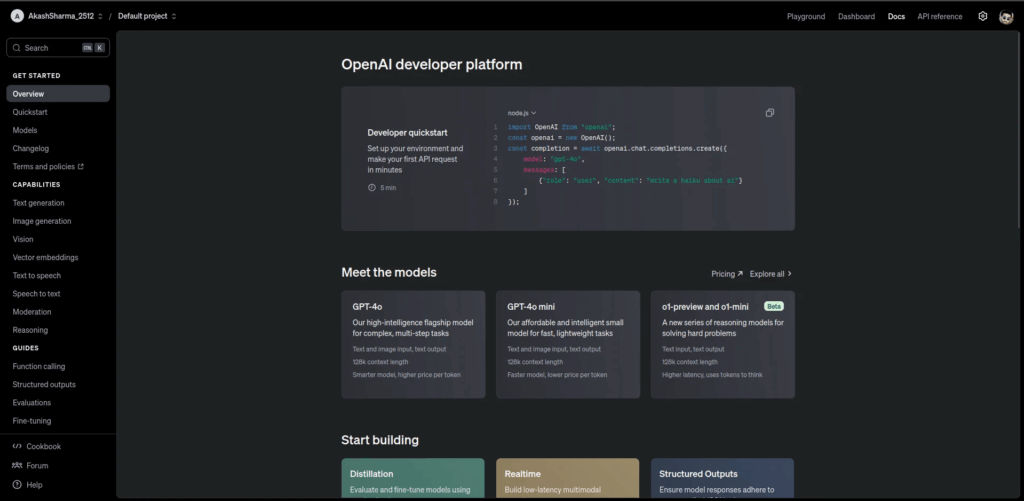
The OpenAI API remains one of the most powerful and widely adopted AI API services available. <a href=”https://openai.com/api”>OpenAI’s API</a> offers access to GPT-4 and other state-of-the-art models, making it ideal for developers who need robust natural language processing capabilities.
Key Features:
- Advanced natural language understanding and generation
- Code completion and generation capabilities
- Comprehensive documentation and support
- Flexible pricing models including pay-as-you-go
Use Cases:
- Automated code generation and optimization
- API documentation generation
- Chatbot and virtual assistant development
- Code review and debugging assistance
Pricing: Starting at $5 per 1M input tokens and $20 per 1M output tokens for GPT-4, with lower-cost options available for simpler models.
2. GitHub Copilot – The Best AI for Coding
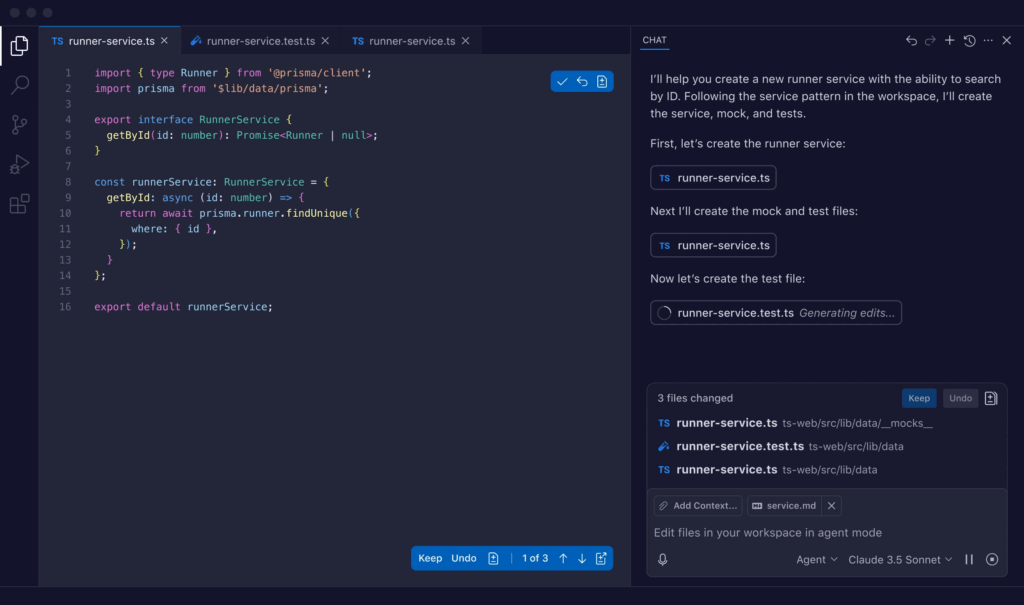
GitHub Copilot has established itself as one of the best AI for coding tools available. This AI-powered coding assistant integrates seamlessly with popular IDEs and provides real-time code suggestions, making it an essential tool for API development.
Key Features:
- Context-aware code completion
- Support for multiple programming languages
- Integration with major IDEs (VS Code, IntelliJ, etc.)
- Ability to generate entire functions and classes
Use Cases:
- API endpoint development
- Test case generation
- Code refactoring and optimization
- Documentation generation
Pricing: $10/month for individual developers, $19/month for business users.
3. Hugging Face API – The Community-Driven AI Platform

Hugging Face has become the go-to platform for AI and ML APIs, offering one of the most comprehensive collections of pre-trained models. Their API provides access to thousands of models for various tasks, making it an excellent choice for developers seeking diverse AI capabilities.
Key Features:
- Access to thousands of pre-trained models
- Free tier with generous usage limits
- Easy integration with popular programming languages
- Community-driven model development
Use Cases:
- Natural language processing in APIs
- Image and text analysis
- Sentiment analysis and classification
- Custom model deployment
Pricing: Free tier available with paid plans starting at $9/month for additional features.
3. Google Cloud AI Platform – Enterprise-Grade AI APIs
Google Cloud AI Platform offers a comprehensive suite of AI APIs designed for enterprise-level applications. With recent updates to Gemini 2.5, Google has positioned itself as a leader in AI model performance and capabilities.
Key Features:
- Access to Gemini 2.5 and other advanced models
- Robust infrastructure and scalability
- Integration with Google Cloud services
- Advanced security and compliance features
Use Cases:
- Large-scale API deployments
- Real-time data processing
- Multi-modal AI applications
- Enterprise integration solutions
Pricing: Pay-as-you-go pricing with free tier for new users ($300 in credits).
4. Tabnine – AI-Powered Code Completion
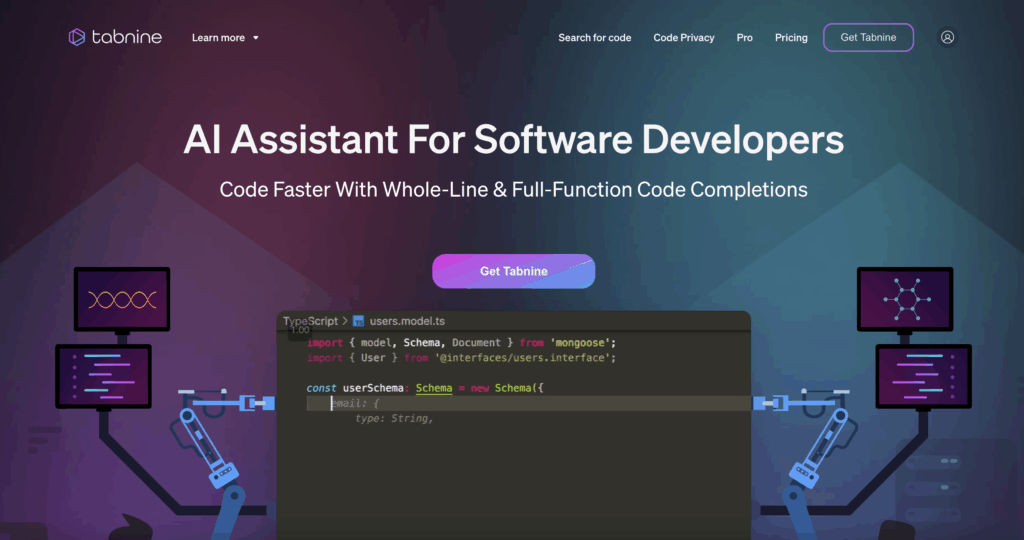
Tabnine focuses specifically on code completion and generation, making it one of the best AI tools for developers who prioritize coding efficiency. It supports over 30 programming languages and integrates with most popular IDEs.
Key Features:
- AI-powered code completion
- Support for multiple programming languages
- Local and cloud-based models
- Team collaboration features
Use Cases:
- API development and testing
- Code review and optimization
- Documentation generation
- Team coding standards enforcement
Pricing: Free tier available, professional plans from $12/month.
5. AWS CodeWhisperer – Amazon’s AI Coding Assistant
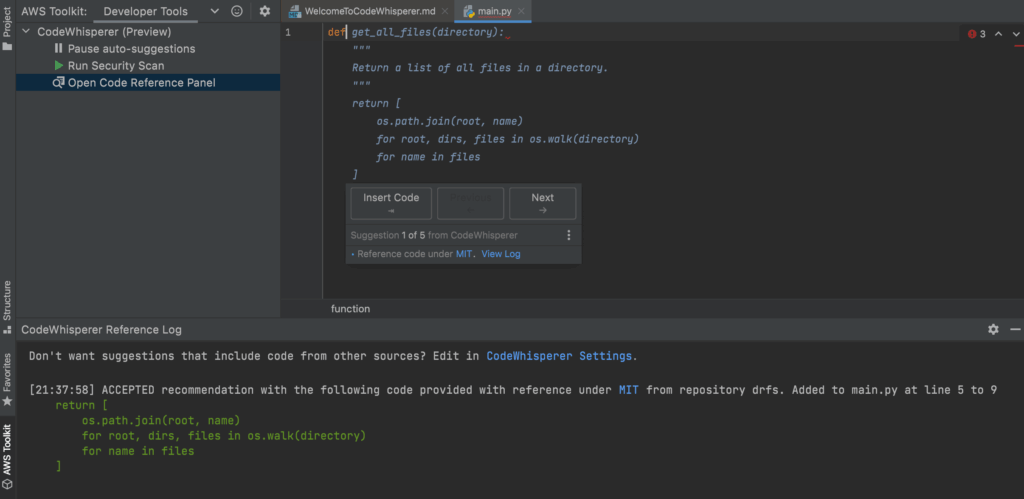
AWS CodeWhisperer provides intelligent code suggestions and is optimized for AWS services, making it an excellent choice for developers working on cloud-based API solutions.
Key Features:
- Real-time code suggestions
- Integration with AWS services
- Support for multiple programming languages
- Built-in security scanning
Use Cases:
- AWS-based API development
- Serverless function creation
- Cloud infrastructure as code
- Security-focused development
Pricing: Free tier available for individual developers, paid plans for teams.
6. OpenAI Codex – Advanced Code Generation
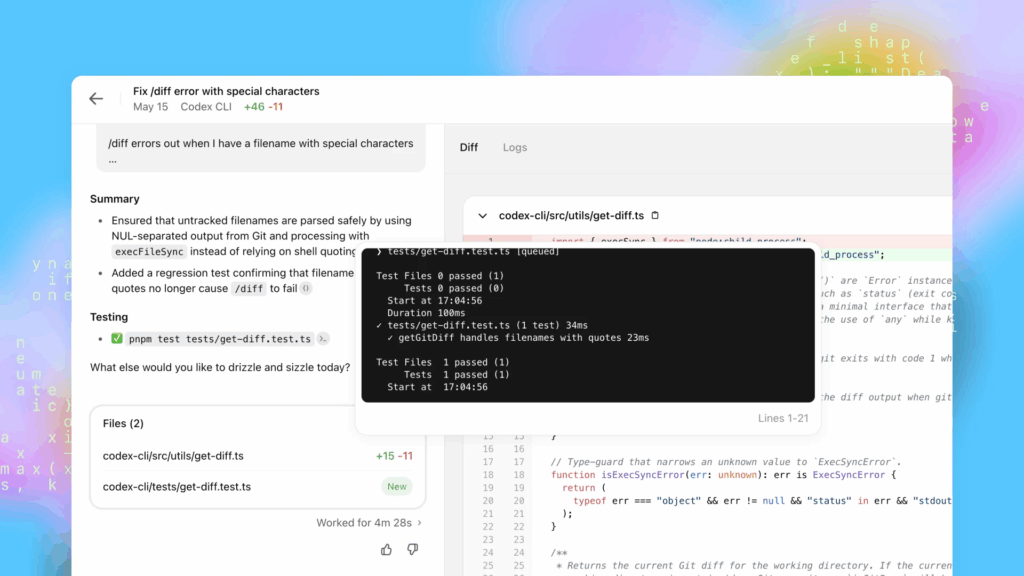
OpenAI Codex powers many code generation tools and represents one of the most advanced AI models for understanding and generating code. It’s particularly useful for complex API development tasks.
Key Features:
- Natural language to code conversion
- Multi-language support
- Complex algorithm generation
- API integration capabilities
Use Cases:
- Complex API logic generation
- Database query optimization
- Algorithm implementation
- API testing and validation
Pricing: Integrated into various platforms with different pricing models.
7. DeepCode (now part of Snyk) – AI-Powered Code Analysis
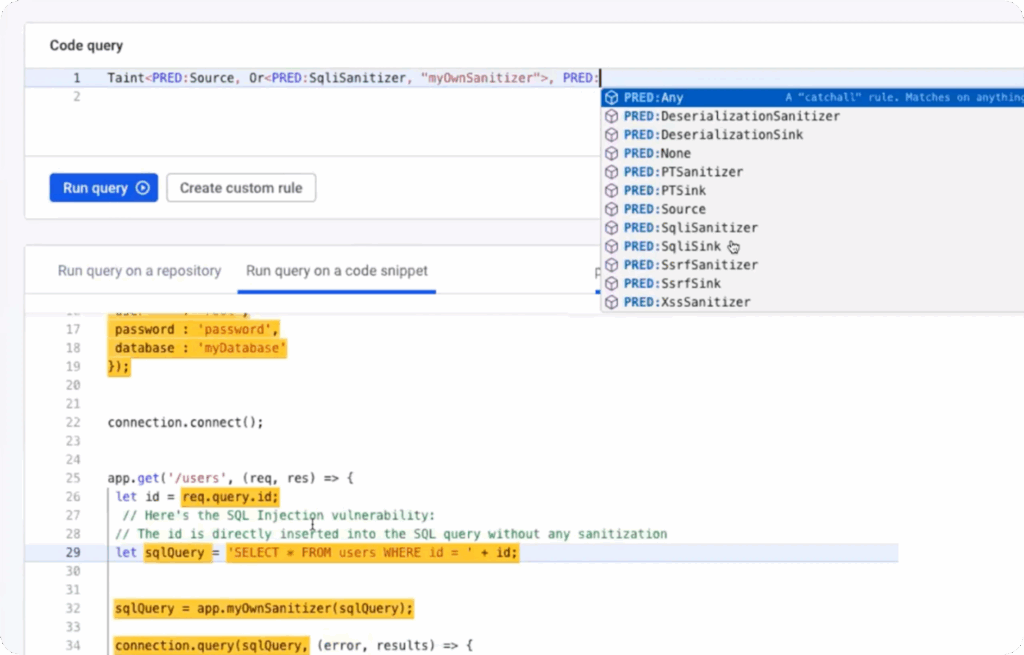
DeepCode, now integrated into Snyk, provides AI-powered code analysis and security scanning capabilities. It’s particularly valuable for ensuring API security and code quality.
Key Features:
- AI-powered code analysis
- Security vulnerability detection
- Code quality assessment
- Integration with CI/CD pipelines
Use Cases:
- API security auditing
- Code quality improvement
- Vulnerability detection
- Compliance checking
Pricing: Free tier available, professional plans from $25/month.
8. Replit Ghostwriter – Cloud-Based AI Coding
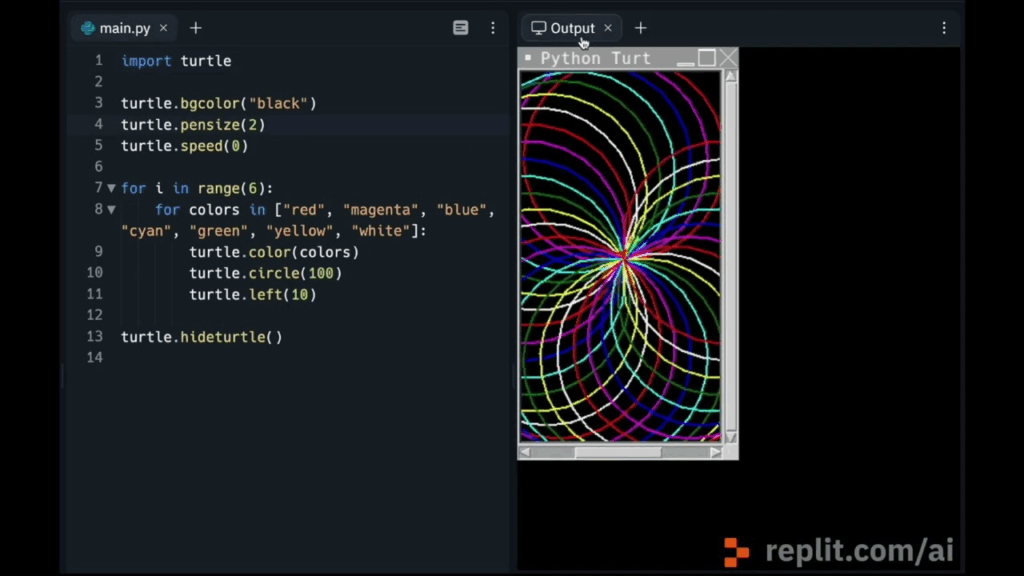
Replit Ghostwriter provides AI-powered coding assistance directly in the browser, making it accessible for developers who prefer cloud-based development environments.
Key Features:
- Browser-based development environment
- AI-powered code completion
- Collaborative coding features
- Built-in hosting and deployment
Use Cases:
- Rapid API prototyping
- Educational projects
- Team collaboration
- Quick testing and deployment
Pricing: Free tier available, paid plans from $10/month.
9. Cursor – AI-First Code Editor
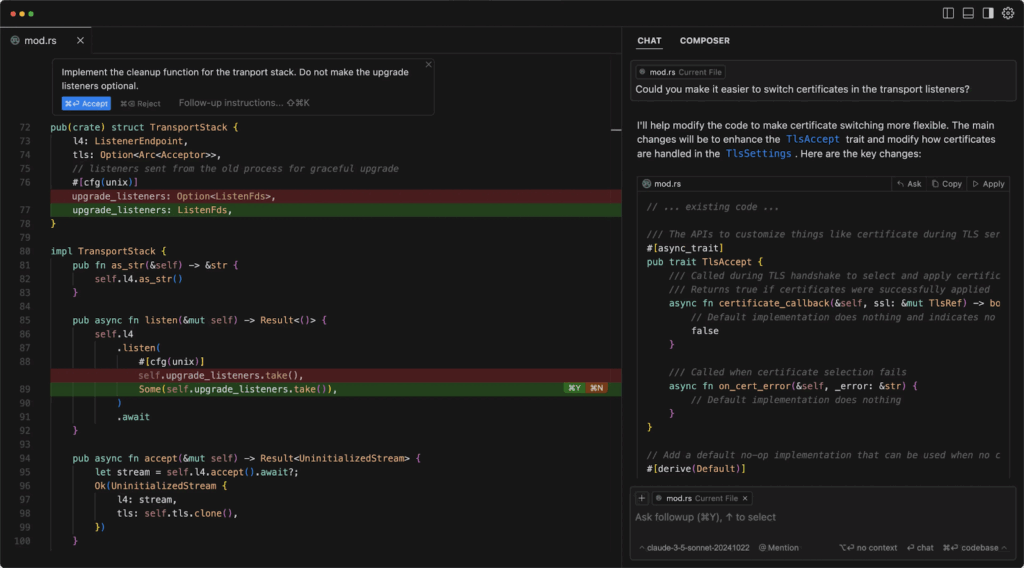
Cursor is a revolutionary AI-first code editor that integrates advanced AI capabilities directly into the development environment, making it one of the most innovative tools for API development.
Key Features:
- AI-first design philosophy
- Contextual code suggestions
- Natural language programming
- Integrated AI chat for development assistance
Use Cases:
- Complex API development
- Rapid prototyping
- Code refactoring
- Documentation generation
Pricing: Free tier available, pro plans from $20/month.
10. Apidog – Comprehensive API Development Suite
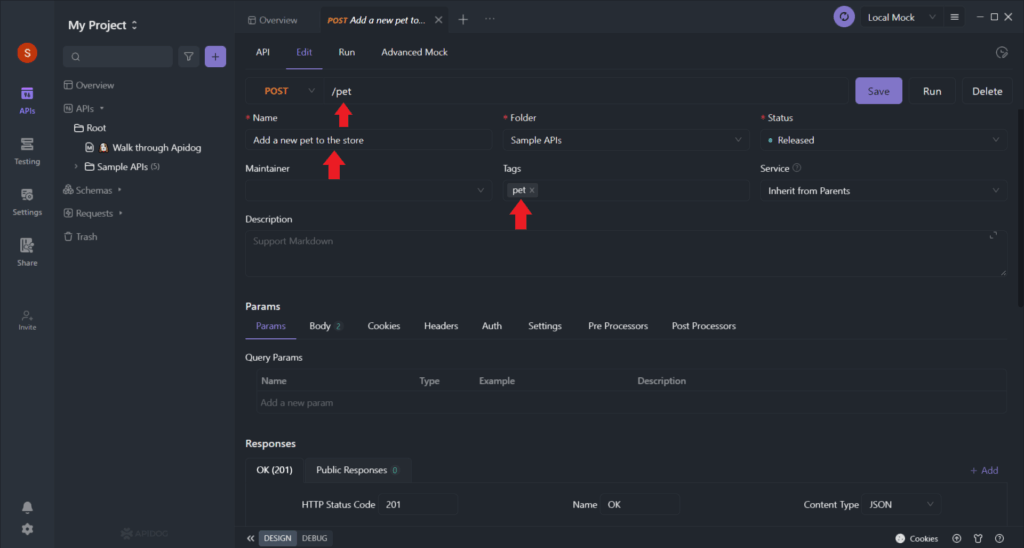
Apidog combines API design, testing, and documentation in one platform, enhanced with AI capabilities for improved developer productivity.
Key Features:
- Complete API development lifecycle
- AI-powered testing and validation
- Automated documentation generation
- Team collaboration tools
Use Cases:
- Full API development lifecycle
- Team collaboration
- API testing and validation
- Documentation management
Pricing: Free tier available, team plans from $7/month per user.
Comparison Table: AI Tools for API Development
| Tool | Primary Focus | Best For | Free Tier | Starting Price | AI Capabilities |
| OpenAI API | General AI Services | NLP, Code Generation | Yes | $5/1M tokens | GPT-4, Code Generation |
| GitHub Copilot | Code Completion | IDE Integration | No | $10/month | Code Suggestions, Auto-completion |
| Hugging Face | ML Models | Model Integration | Yes | $9/month | Pre-trained Models, NLP |
| Google Cloud AI | Enterprise AI | Scalable Solutions | Yes | Pay-as-you-go | Gemini 2.5, Multi-modal |
| Tabnine | Code Completion | Multi-language Support | Yes | $12/month | Code Completion, Refactoring |
| AWS CodeWhisperer | Cloud Development | AWS Integration | Yes | Varies | Code Generation, Security |
| OpenAI Codex | Code Generation | Complex Algorithms | Via Partners | Varies | Natural Language to Code |
| DeepCode/Snyk | Code Analysis | Security Scanning | Yes | $25/month | Vulnerability Detection |
| Replit Ghostwriter | Cloud Development | Browser-based Coding | Yes | $10/month | Cloud-based AI Assistance |
| Cursor | AI-First Editor | Modern Development | Yes | $20/month | Contextual AI, Chat Integration |
| Apidog | API Development | Complete API Lifecycle | Yes | $7/month | API Testing, Documentation |
Best Practices for Using AI in API Development
1. Choose the Right AI Tool for Your Needs
When selecting among the best AI APIs, consider your specific requirements:
- For general coding assistance: GitHub Copilot or Tabnine
- For complex AI integration: OpenAI API or Google Cloud AI
- For security-focused development: DeepCode/Snyk
- For complete API lifecycle: Apidog
2. Understand AI API Pricing Models
AI API pricing comparison is crucial for budget planning. Most providers offer:
- Free tiers: Limited usage for testing and small projects
- Pay-as-you-go: Flexible pricing based on usage
- Subscription models: Fixed monthly/yearly fees
- Enterprise plans: Custom pricing for large-scale deployments
3. Implement Proper Error Handling
When working with AI APIs, implement robust error handling:
- Handle API rate limits gracefully
- Implement retry mechanisms for transient failures
- Monitor API usage to avoid unexpected costs
- Use caching to reduce API calls
4. Optimize for Performance
To get the most from AI APIs:
- Use appropriate model sizes for your tasks
- Implement caching strategies
- Optimize prompt engineering for better results
- Monitor response times and adjust accordingly
The Future of AI in API Development
As we look ahead, several trends are shaping the future of AI in API development:
1. Improved AI Model Capabilities
New AI model comparisons in 2025 show significant improvements in:
- Code understanding and generation
- Multi-modal capabilities
- Real-time processing
- Domain-specific optimization
2. More Accessible AI Tools
The trend toward free AI APIs and accessible pricing continues, making advanced AI capabilities available to smaller teams and individual developers.
3. Better Integration with Development Tools
AI tools are becoming more integrated with existing development workflows, providing seamless experiences for developers.
4. Enhanced Security and Compliance
AI-powered security tools are becoming more sophisticated, helping developers identify and fix vulnerabilities early in the development process.
Frequently Asked Questions (FAQ)
Q1: What is the best AI for coding in 2025?
A: The best AI for coding depends on your specific needs. For general coding assistance, GitHub Copilot and Tabnine are excellent choices. For more complex AI integration, OpenAI API and Google Cloud AI Platform offer powerful capabilities. Many developers use a combination of tools for optimal results.
Q2: Are there any free AI APIs for developers?
A: Yes, many AI APIs offer free tiers:
- Hugging Face provides generous free access to thousands of models
- OpenAI offers free credits for new users
- Google Cloud AI Platform provides $300 in free credits
- AWS CodeWhisperer is free for individual developers
- Most tools offer free tiers with usage limits
Q3: What are the cheapest AI APIs available?
A: The cheapest AI APIs vary by use case:
- For simple tasks: Hugging Face offers many free models
- For general AI: OpenAI’s simpler models cost less than GPT-4
- For coding: GitHub Copilot at $10/month is cost-effective
- For enterprise: Google Cloud and AWS offer competitive pricing
Q4: How do I choose the right AI API for my project?
A: Consider these factors:
- Project requirements: What specific AI capabilities do you need?
- Budget: Compare pricing models and free tiers
- Integration: How well does the API integrate with your existing tools?
- Support: What level of documentation and support is available?
- Scalability: Can the API handle your expected growth?
Q5: What is the difference between AI APIs and traditional APIs?
A: AI APIs provide intelligent processing capabilities like:
- Natural language understanding
- Image and speech recognition
- Predictive analytics
- Automated decision-making
Traditional APIs typically handle data retrieval and basic processing without intelligent analysis.
Q6: Can AI tools really improve my API development workflow?
A: Yes, AI tools can significantly improve workflow by:
- Generating boilerplate code quickly
- Providing intelligent code suggestions
- Automating testing and documentation
- Identifying potential issues early
- Optimizing performance
Q7: Are AI-generated APIs secure?
A: AI-generated code should be reviewed for security issues. Best practices include:
- Using AI tools with built-in security scanning
- Implementing proper code review processes
- Following security best practices
- Regular security audits
Q8: How do I integrate multiple AI APIs in my project?
A: To integrate multiple AI APIs:
- Plan your architecture carefully
- Use API management tools
- Implement proper error handling
- Monitor usage and costs
- Consider using AI API aggregation services
Q9: What are the best practices for AI API cost management?
A: Cost management strategies include:
- Monitor usage regularly
- Implement caching to reduce API calls
- Use free tiers for testing and development
- Choose appropriate models for your tasks
- Set up usage alerts and limits
Q10: How do I stay updated with the latest AI API developments?
A: Stay updated by:
- Following AI and developer communities
- Reading official documentation and blogs
- Participating in developer forums
- Attending industry conferences
- Trying new tools and services regularly
Conclusion
By adopting any of these Top 10 AI Tools for API Development, developers can significantly cut down development time, reduce errors, and future-proof their applications. The landscape of AI tools for API development in 2025 offers unprecedented opportunities for developers to enhance their productivity and create more sophisticated applications. From free AI APIs that democratize access to advanced capabilities to enterprise-grade solutions that scale with your needs, the options are diverse and powerful.
The key to success lies in understanding your specific requirements, choosing the right combination of tools, and staying updated with the rapidly evolving AI landscape. Whether you’re looking for the best AI for coding, seeking free AI APIs for experimentation, or planning enterprise-level implementations, the tools highlighted in this guide provide a solid foundation for your API development journey.
As AI continues to evolve, we can expect even more sophisticated tools and capabilities to emerge. The developers who embrace these technologies today will be best positioned to leverage the innovations of tomorrow. Start with the free tiers, experiment with different tools, and gradually build your AI-powered development workflow to stay ahead in the competitive landscape of modern software development.
The future of API development is here, and it’s powered by AI. By choosing the right tools and implementing best practices, you can harness the full potential of AI to create better, faster, and more innovative API solutions.