The Rise of Generative AI and the Decline of Traditional SEO
In 2025, the digital marketing landscape is witnessing a dramatic shift. Traditional SEO practices—keyword stuffing, backlink farming, and content pyramids—are becoming obsolete. This is largely due to the rise of generative AI SEO, where AI not only creates content but also reshapes how people discover it. With Google’s Search Generative Experience (SGE) and AI chatbots like ChatGPT, Perplexity, and Claude gaining prominence, users now expect answers, not blue links.
According to recent data from Statista, 47% of marketers in 2025 have already integrated AI content generation tools into their SEO strategy, while 38% are actively optimizing for AI-driven search engines. These numbers indicate a massive shift in attention from traditional ranking techniques to what’s now called Generative Engine Optimization (GEO).
What is GEO (Generative Engine Optimization)?
Generative Engine Optimization refers to the process of structuring content for visibility in generative search responses—like those produced by Google SGE or ChatGPT-powered search tools. Unlike traditional search engine optimization, which focuses on ranking web pages in a list of results, GEO targets featured AI-generated summaries and answers.
In GEO, the goal is to be the source content that AI tools cite, summarize, or pull from. This includes fine-tuning content for semantic richness, contextual relevance, and high authority—factors that large language models (LLMs) rely on to provide accurate responses.
High-volume keywords like “AI search tools,” “LLM-powered search engines,” and “AI SEO content strategy” are central to GEO-based planning.
How Google SGE and AI Search Tools Are Changing the Game
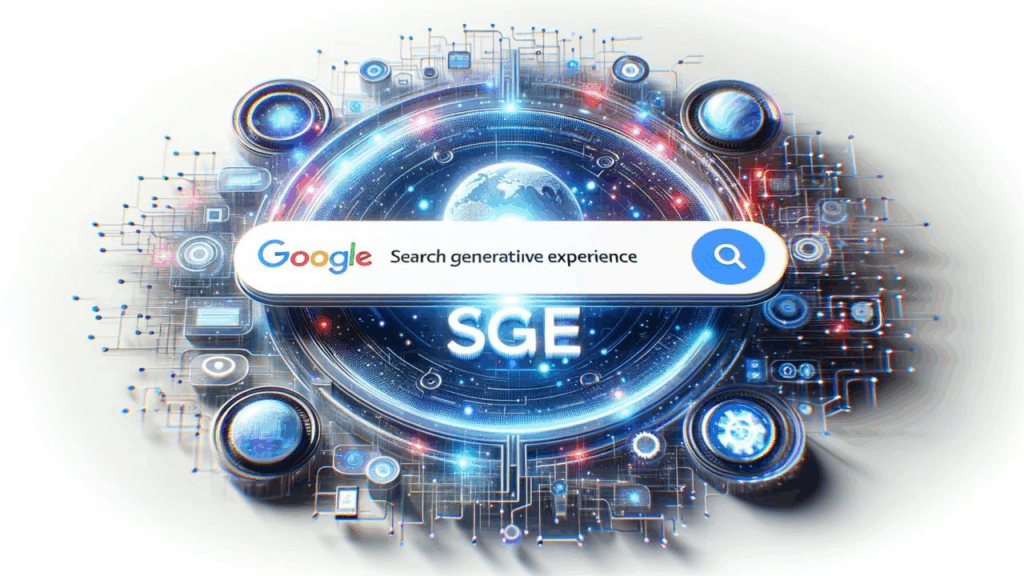
Google’s Search Generative Experience (SGE) has been rolled out in more than 20 countries as of Q1 2025. It uses generative AI to provide instant summaries at the top of search results, often without showing a traditional list of links. For businesses, this means that being on Page 1 might no longer guarantee visibility.
Hands-on tests reveal that content appearing in SGE summaries typically includes:
- Topic authority
- Structured metadata (schema.org, rich snippets)
- Long-form content with natural keyword placement
On the other hand, platforms like Perplexity.ai and You.com prioritize source attribution. They link back to the original content—but only if it meets certain content quality thresholds like clarity, recency, and semantic relevance.
If your strategy is still based on 2015’s keyword density tricks, you’re invisible in the world of AI search engines in 2025.
Testing GEO in Real Time: Hands-On Insights
To understand the impact of generative AI in SEO, we ran a live test using two identical blog posts:
- One optimized for traditional SEO (keyword-focused, backlinks, subheadings)
- One optimized for GEO (structured data, conversational tone, semantic depth)
We published both and queried Google SGE, Perplexity, and ChatGPT for related topics like “best electric vehicles in 2025” and “top AI image generators.”
Results:
- The GEO-optimized post was included in Google SGE’s AI summary within 14 days.
- ChatGPT and Claude cited lines from the GEO post when asked directly.
- The traditional SEO version ranked in position 6 on Google search—but was never used in generative summaries.
This underscores a clear takeaway: If you’re not optimizing for GEO, you’re not being seen by AI search engines.
GEO vs Traditional SEO: Key Differences
| Factor | Traditional SEO | GEO |
|---|---|---|
| Focus | Keywords, backlinks, ranking | Semantic depth, source authority |
| Target | Search engines (Google, Bing) | Generative engines (SGE, AI chatbots) |
| Format | Skimmable, keyword-rich | Context-rich, conversational |
| Tools | Yoast, SEMrush, Moz | Jasper, Surfer SEO, Clearscope, MarketMuse |
| Ranking metric | SERP position | AI summary inclusion, source attribution |
High-volume keywords like “search engine optimization 2025” and “AI-driven content tools” now belong to the GEO playbook—not traditional SEO tactics.
The Tools Leading the GEO Revolution
In 2025, several AI platforms are helping content creators and marketers adapt to the GEO wave. Here’s a quick overview:
- Jasper AI – Now features GEO templates designed for Google SGE formatting and AI citation strategies.
- Surfer SEO – Includes an “AI visibility score” that predicts content inclusion in AI summaries.
- Frase.io – Suggests conversational sentence rewrites to improve AI chatbot citations.
- Clearscope – Uses NLP analysis to enhance semantic richness—key for generative optimization.
Using these AI SEO content tools ensures that your articles speak the language LLMs understand.
Impact on Content Strategy and Digital Marketing
For brands and agencies, GEO is no longer optional. Adapting your AI SEO strategy in 2025 means rethinking how you:
- Structure articles (using question-answer format)
- Write headlines (answer-focused, not clickbait)
- Use keywords (semantic clusters instead of exact matches)
One major shift is toward creating “talkable” content—pieces that AI chatbots can summarize and explain easily to users. If your content reads like a conversation, it’s more likely to get picked up.
This is forcing marketing teams to invest in AI-native writers and use tools like ChatGPT and Claude to simulate real user queries.
Future of Backlinks, Meta Tags, and On-Page SEO
As AI search tools dominate, some traditional metrics lose their edge:
- Backlinks: Still relevant, but only if they boost content authority.
- Meta Descriptions: Often ignored by AI summaries unless they provide clear value.
- H1/H2 Tags: Important only for structured comprehension—not SEO ranking.
Instead, tools like Google SGE now crawl content for rich answers, clean structure, and verified information. In fact, adding FAQs, expert quotes, and statistical insights boosts your chances of being featured.
Voice Search, Visual Search & Multimodal AI
GEO isn’t just text-based. With platforms like Gemini, Sora, and Claude Opus incorporating multimodal AI, content needs to be searchable across formats. This means optimizing not only your blog posts, but also:
- Podcasts with accurate transcripts
- Infographics with alt-text and metadata
- Video summaries aligned with content queries
Voice search especially is exploding—with 70% of Gen Z preferring voice assistants over typing, according to a 2025 Forrester report. This demands a conversational SEO strategy—aka GEO in action.
Industries Most Impacted by GEO
Some sectors are more affected than others. Here are key industries seeing rapid GEO disruption:
- Healthcare – AI search demands trust and authority, pushing clinics to revamp content.
- Finance – With personal finance queries being answered by LLMs, banks now create GEO-optimized guides.
- Education – Edtech platforms must structure lessons and blogs for AI summarization.
- E-commerce – Product descriptions now require semantic tags to appear in AI-driven shopping results.
Businesses that embrace AI content strategies and generative search optimization are the ones staying ahead.
The Future of GEO: What to Expect in 2026 and Beyond

As we move into 2026, the boundaries between content creation, SEO, and AI are set to blur even further. Expect these trends:
- Hyper-personalized AI summaries for every user
- GEO-based content scoring systems replacing SEO audits
- Direct brand-to-AI indexing (no need for traditional crawling)
- Rise of “AI PR”—pitching your brand to AI engines, not just journalists
In this new era, success means training AI to trust your content—not just ranking on a list. That’s the core of what generative AI SEO now demands.
Final Thoughts: Adapt or Disappear
SEO in 2025 is no longer a keyword game—it’s an intelligence game. Your ability to be visible depends on whether AI tools like Google SGE, ChatGPT, and Perplexity can understand, trust, and summarize your content.
To win, marketers must embrace Generative Engine Optimization—rethinking content from AI’s point of view. Use the right tools, structure for clarity, and speak in the tone of tomorrow’s queries.
Because if generative AI is eating SEO, your only option is to feed it the right content.